
-
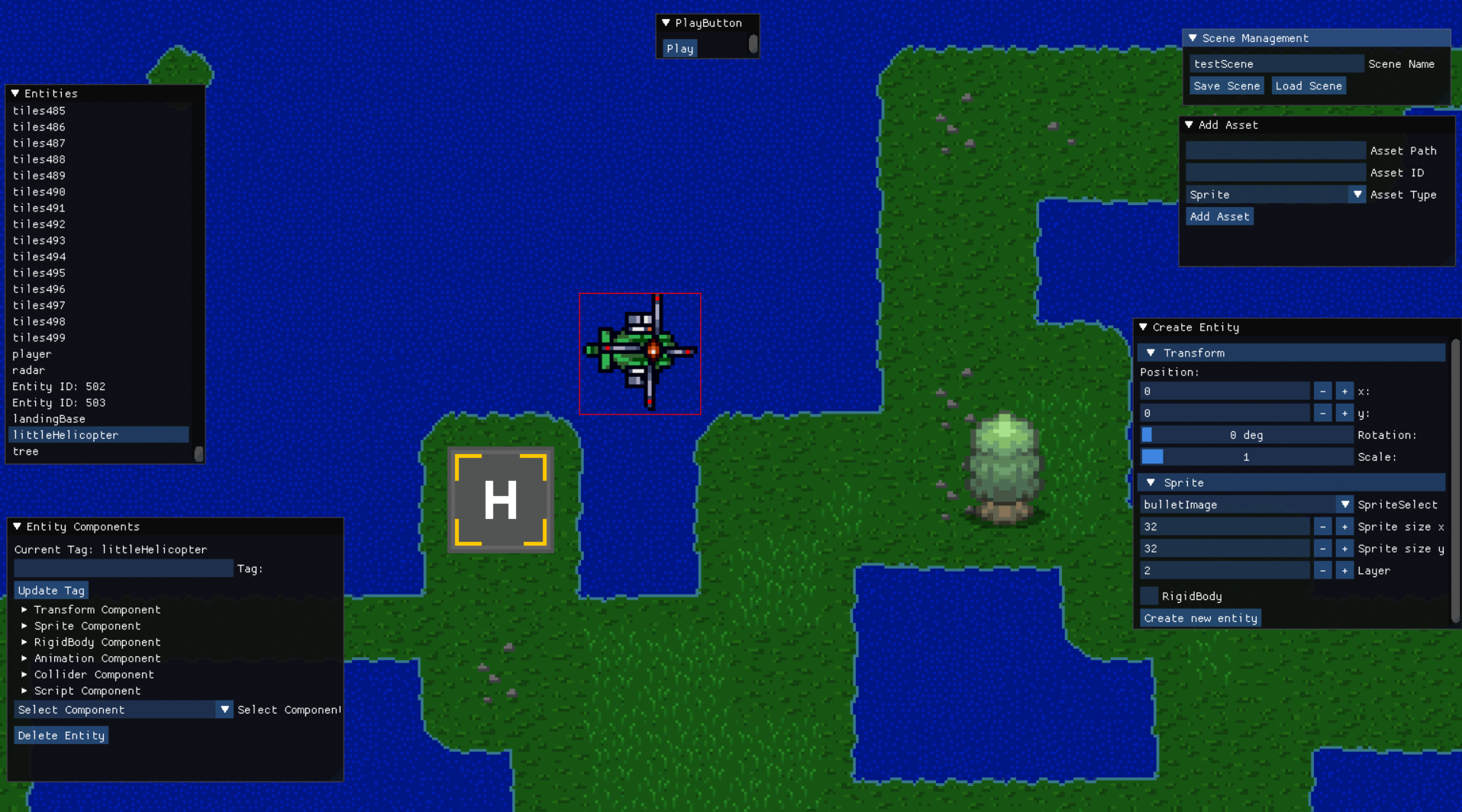
2D Game Engine
The 2D Game Engine is built around a flexible Entity Component System (ECS) architecture, which divides game objects into entities, components, and systems. This design promotes modularity, scalability, and efficient management of game elements. Key features include dynamic physics, network communication, input handling, and scripting, all integrated seamlessly to provide a comprehensive game development environment.
-
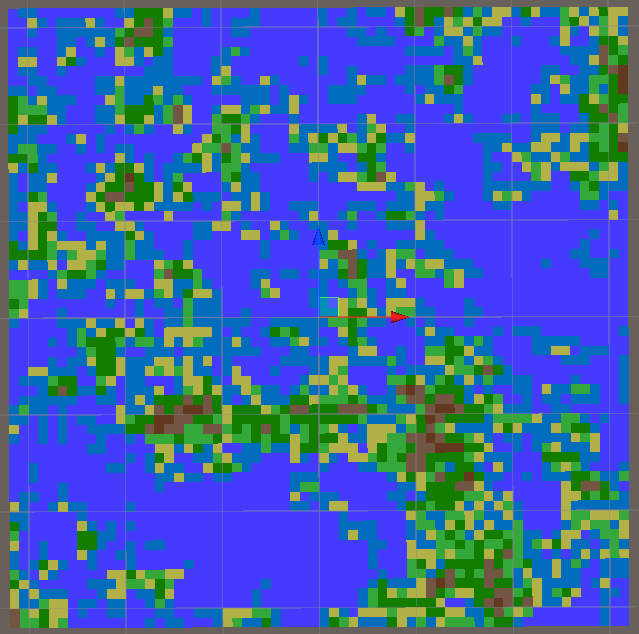
Exploring Quantum Computing’s Potential in Terrain Generation: A comparative study
This dissertation explores the potential of quantum computing in procedural terrain generation, comparing classical noise mapping techniques with quantum approaches. The study leverages Python and the Qiskit library, showcasing a deep dive into a new coding paradigm and gaining a comprehensive understanding of quantum physics. It also demonstrates the integration of quantum computing results into…
-
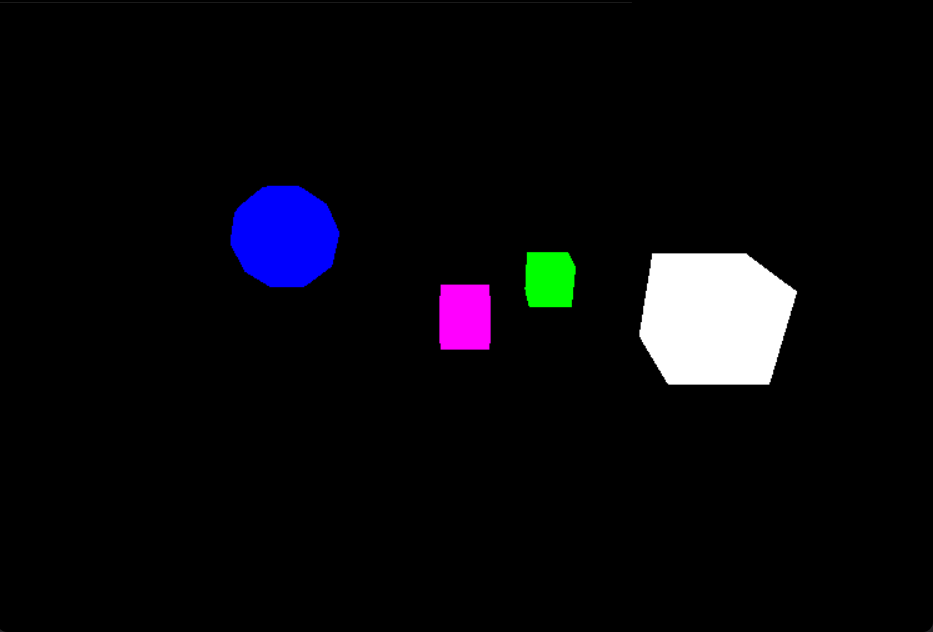
Collision and Physics Engine in C++ using OpenGL
This project demonstrates a collision and physics engine implemented in C++ using OpenGL. The engine manages game objects, detects collisions, and applies basic physics principles to create an interactive environment. The project includes representations for cubes and spheres, handling their interactions and movements.
-
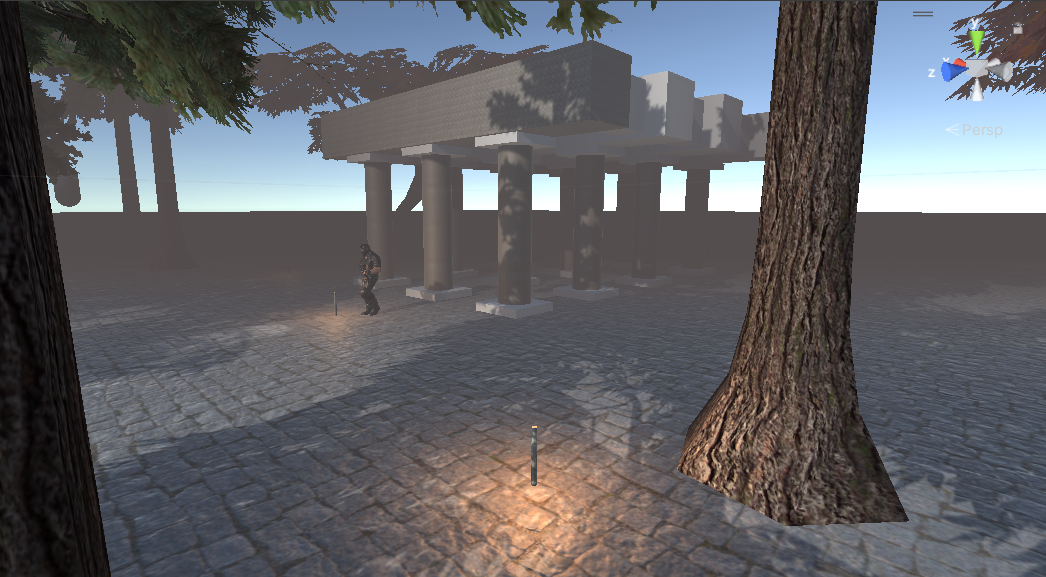
Finite State Machine (FSM) for AI Behavior
This project demonstrates the implementation of a finite state machine (FSM) to control the behavior of an AI character. The AI transitions through different states such as Idle, Patrol, Pursue, Attack, and Flee, based on specific conditions.
-
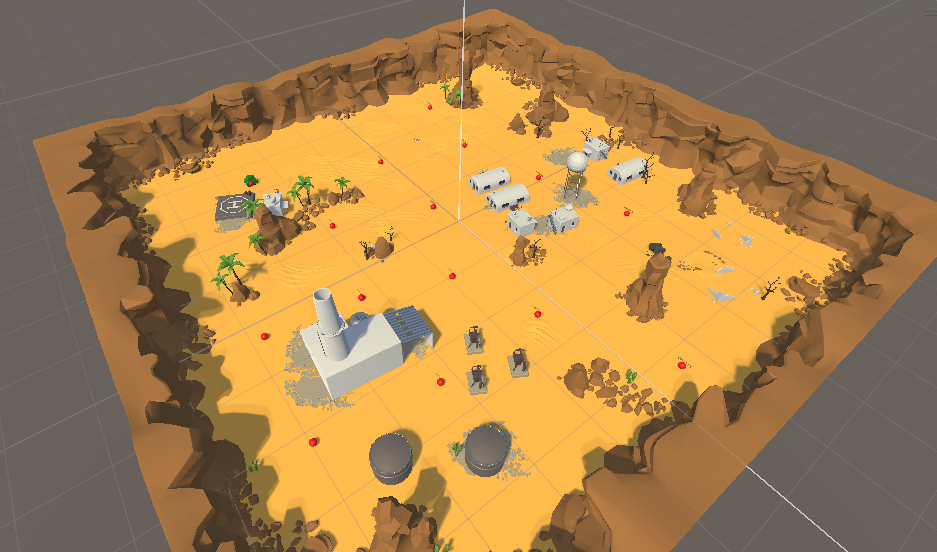
A* Pathfinding with Waypoints
This project demonstrates the implementation of the A* pathfinding algorithm using waypoints to simulate roads. The waypoints form a graph, and the tank navigates through the terrain to reach a user-defined endpoint by following the shortest path calculated by the A* algorithm.
-
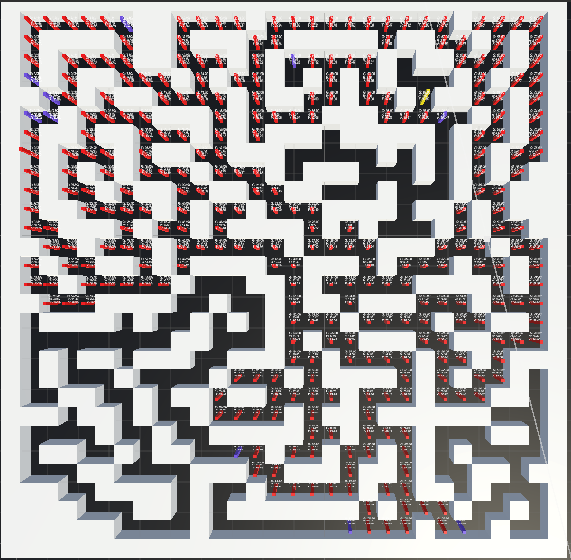
A* Pathfinding Algorithm in a Randomly Generated Maze
This project demonstrates the implementation of the A* pathfinding algorithm within a randomly generated maze. The maze generation is achieved using a recursive division algorithm, and the pathfinding process is visualized in real-time, showcasing the F, G, and H values used to determine the optimal path.
-
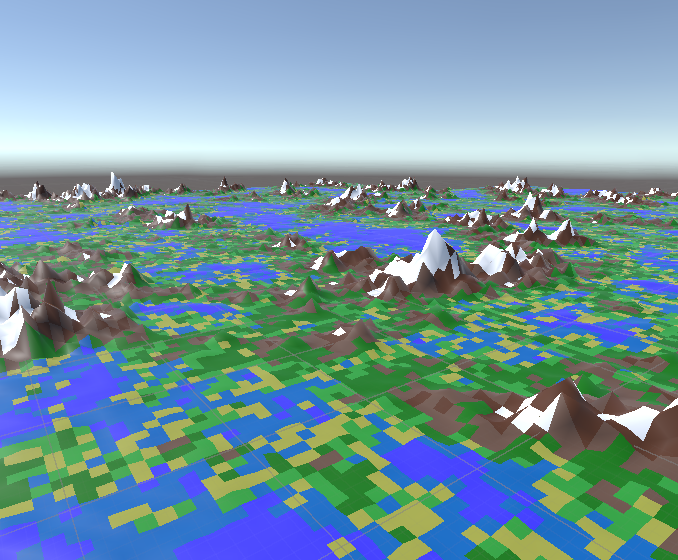
Procedural Terrain Generator
This project showcases a robust procedural terrain generator developed using Unity and C#. The terrain generator leverages Perlin noise to create realistic landscapes, with customizable parameters to influence terrain features. The system is optimized for both finite map generation and infinite terrain creation at runtime, ensuring efficient performance with features like Level of Detail (LOD)…
A collection of my personal projects
My projects
·