
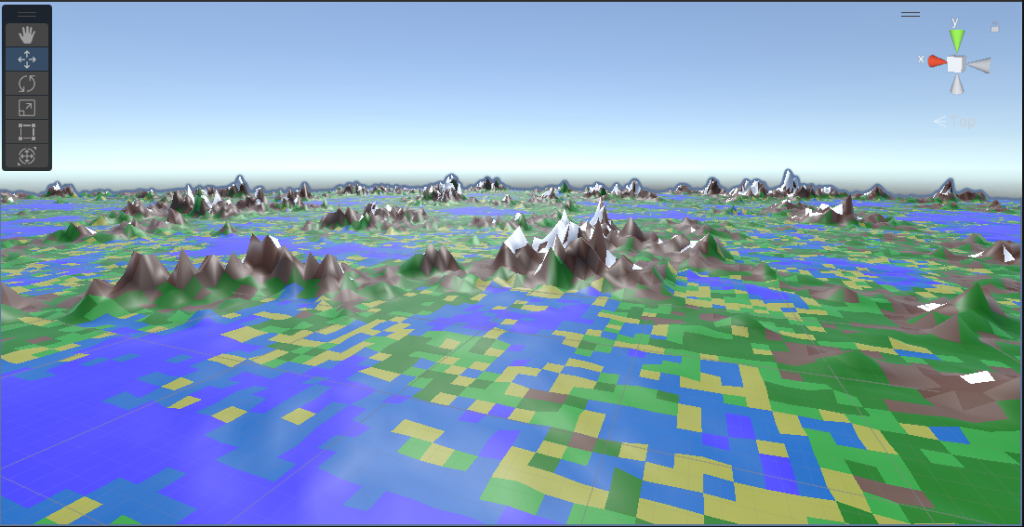
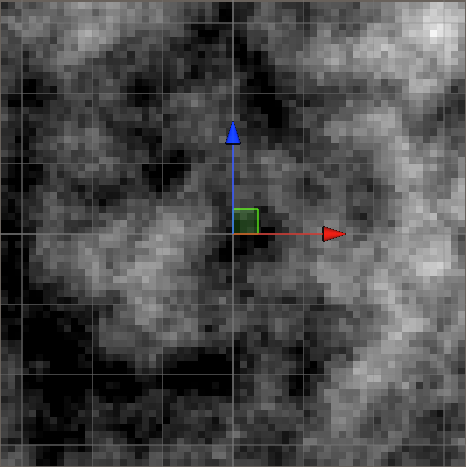
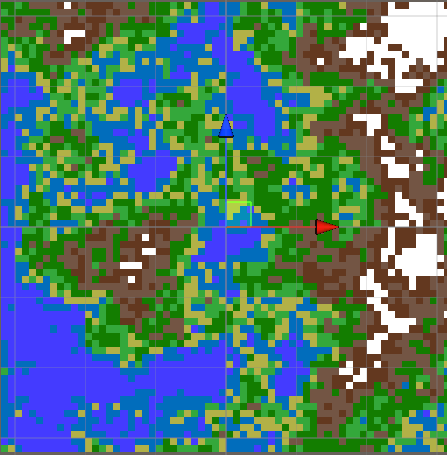
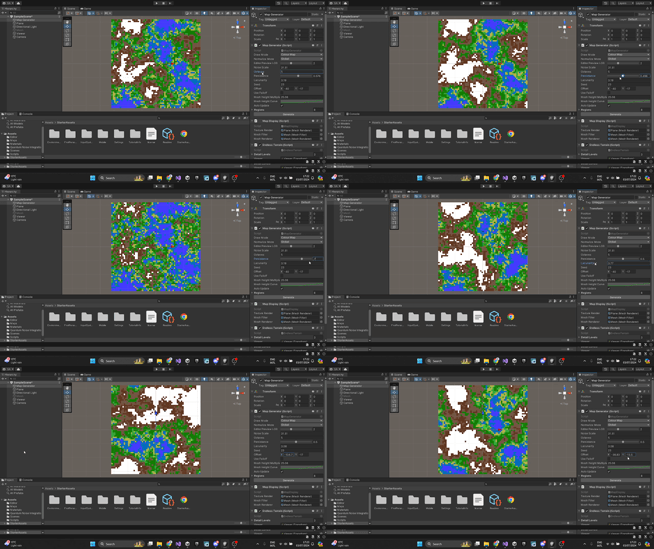
This project showcases a robust procedural terrain generator developed using Unity and C#. The terrain generator leverages Perlin noise to create realistic landscapes, with customizable parameters to influence terrain features. The system is optimized for both finite map generation and infinite terrain creation at runtime, ensuring efficient performance with features like Level of Detail (LOD)…
Core Features
- Perlin Noise-Based Terrain Generation: Generates varied and realistic terrains using Perlin noise.
- Customizable Parameters: Adjust noise parameters such as scale, octaves, persistence, and lacunarity to influence terrain generation.
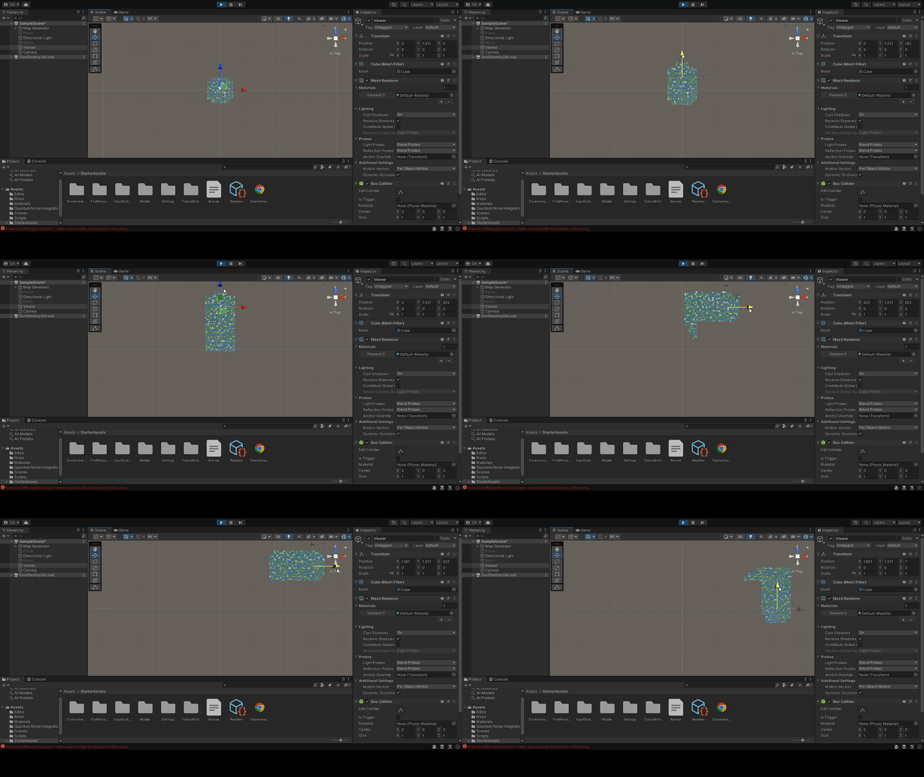
- Finite and Infinite Terrain Generation: Create predefined finite maps or infinite landmasses at runtime.
- Optimizations: Implements Level of Detail (LOD) and dynamically destroys chunks that are far from the viewer to enhance performance.
- 2D and 3D Terrain Creation: Capable of generating both 2D height maps and 3D terrain meshes.
Key Components
1. Noise Generation (Noise.cs)
This script generates the Perlin noise map, which is the basis for the terrain’s height values.
using System;
using System.Collections;
using UnityEngine;

public static class Noise
{
    public enum NormalizeMode {Local, Global};
    public static float[,] GenerateNoiseMap(int mapWidth, int mapHeight, int seed, float scale, int octaves, float persistence, float lacunarity, Vector2 offset, NormalizeMode normalizeMode)
    {
        float[,] noiseMap = new float[mapWidth, mapHeight];

        System.Random prng = new System.Random(seed);
        Vector2[] octaveOffsets = new Vector2[octaves];

        float maxPossibleHeight = 0;
        float amplitude = 1;
        float frequency = 1;

        for (int i = 0; i < octaves; i++)
        {
            float offsetX = prng.Next(-100000, 100000) + offset.x;
            float offsetY = prng.Next(-100000, 100000) - offset.y;
            octaveOffsets[i] = new Vector2(offsetX, offsetY);

            maxPossibleHeight += amplitude;
            amplitude *= persistence;
        }

        if (scale <= 0) scale = 0.0001f;

        float maxLocalNoiseHeight = float.MinValue;
        float minLocalNoiseHeight = float.MaxValue;

        float halfWidth = mapWidth / 2f;
        float halfHeight = mapHeight / 2f;

        for (int y = 0; y < mapHeight; y++)
        {
            for (int x = 0; x < mapWidth; x++)
            {
                amplitude = 1;
                frequency = 1;
                float noiseHeight = 0;

                for (int i = 0; i < octaves; i++)
                {
                    float sampleX = (x - halfWidth + octaveOffsets[i].x) / scale * frequency;
                    float sampleY = (y - halfHeight + octaveOffsets[i].y) / scale * frequency;

                    float perlinValue = Mathf.PerlinNoise(sampleX, sampleY) * 2 - 1;
                    noiseHeight += perlinValue * amplitude;

                    amplitude *= persistence;
                    frequency *= lacunarity;
                }

                if (noiseHeight > maxLocalNoiseHeight)
                    maxLocalNoiseHeight = noiseHeight;
                else if (noiseHeight < minLocalNoiseHeight)
                    minLocalNoiseHeight = noiseHeight;

                noiseMap[x, y] = noiseHeight;
            }
        }

        for (int y = 0; y < mapHeight; y++)
        {
            for (int x = 0; x < mapWidth; x++)
            {
                if (normalizeMode == NormalizeMode.Local)
                {
                    noiseMap[x, y] = Mathf.InverseLerp(minLocalNoiseHeight, maxLocalNoiseHeight, noiseMap[x, y]);
                }
                else
                {
                    float normalizedHeight = (noiseMap[x, y] + 1) / (maxPossibleHeight);
                    noiseMap[x, y] = Mathf.Clamp(normalizedHeight,0,int.MaxValue);
                }
            }
        }

        return noiseMap;
    }
}
2. Mesh Generation (MeshGenerator.cs)
This script transforms the generated noise maps into 3D meshes, allowing the terrain to be rendered in 3D.
using UnityEngine;
using System.Collections;

public static class MeshGenerator {

	public static MeshData GenerateTerrainMesh(float[,] heightMap, float heightMultiplier, AnimationCurve _heightCurve, int levelOfDetail) {
		AnimationCurve heightCurve = new AnimationCurve (_heightCurve.keys);

		int meshSimplificationIncrement = (levelOfDetail == 0)?1:levelOfDetail * 2;
		int borderedSize = heightMap.GetLength (0);
		int meshSize = borderedSize - 2 * meshSimplificationIncrement;
		int meshSizeUnsimplified = borderedSize - 2;

		float topLeftX = (meshSizeUnsimplified - 1) / -2f;
		float topLeftZ = (meshSizeUnsimplified - 1) / 2f;

		int verticesPerLine = (meshSize - 1) / meshSimplificationIncrement + 1;

		MeshData meshData = new MeshData (verticesPerLine);

		int[,] vertexIndicesMap = new int[borderedSize, borderedSize];
		int meshVertexIndex = 0;
		int borderVertexIndex = -1;

		for (int y = 0; y < borderedSize; y += meshSimplificationIncrement)
		{
			for (int x = 0; x < borderedSize; x += meshSimplificationIncrement)
			{
				bool isBorderIndex = y == 0 || y == borderedSize - 1 || x == 0 || x == borderedSize - 1;

				if (isBorderIndex)
				{
					vertexIndicesMap[x, y] = borderVertexIndex;
					borderVertexIndex--;
				}
				else
				{
					vertexIndicesMap[x, y] = meshVertexIndex;
					meshVertexIndex++;
				}
			}
		}

		for (int y = 0; y < borderedSize; y += meshSimplificationIncrement) {
			for (int x = 0; x < borderedSize; x += meshSimplificationIncrement)
			{
				int vertexIndex = vertexIndicesMap[x, y];
				Vector2 percent = new Vector2 ((x - meshSimplificationIncrement) / (float)meshSize, (y - meshSimplificationIncrement) / (float)meshSize);
				float height = heightCurve.Evaluate(heightMap[x, y]) * heightMultiplier;
				Vector3 vertexPosition = new Vector3(topLeftX + percent.x * meshSizeUnsimplified, height, topLeftZ - percent.y * meshSizeUnsimplified);

				meshData.AddVertex(vertexPosition, percent, vertexIndex);

				if (x < borderedSize - 1 && y < borderedSize - 1)
				{
					int a = vertexIndicesMap[x, y];
					int b = vertexIndicesMap[x + meshSimplificationIncrement, y];
					int c = vertexIndicesMap[x, y + meshSimplificationIncrement];
					int d = vertexIndicesMap[x + meshSimplificationIncrement, y + meshSimplificationIncrement];
					meshData.AddTriangle(a, d, c);
					meshData.AddTriangle (d,a,b);
				}

				vertexIndex++;
			}
		}

		return meshData;

	}
}

public class MeshData {
	Vector3[] vertices;
	int[] triangles;
	Vector2[] uvs;

	private Vector3[] borderVertices;
	private int[] borderTriangles;

	int triangleIndex;
	int borderTriangleIndex;

	public MeshData(int verticesPerLine) {
		vertices = new Vector3[verticesPerLine * verticesPerLine];
		uvs = new Vector2[verticesPerLine * verticesPerLine];
		triangles = new int[(verticesPerLine-1)*(verticesPerLine-1)*6];

		borderVertices = new Vector3[verticesPerLine * 4 + 4];
		borderTriangles = new int[verticesPerLine * 24];
	}

	public void AddVertex(Vector3 vertexPosition, Vector2 uv, int vertexindex)
	{
		if (vertexindex < 0)
		{
			borderVertices[-vertexindex - 1] = vertexPosition;
		}
		else
		{
			vertices[vertexindex] = vertexPosition;
			uvs[vertexindex] = uv;
		}
	}

	public void AddTriangle(int a, int b, int c) {
		if(a<0||b<0||c<0)
		{
			borderTriangles [borderTriangleIndex] = a;
			borderTriangles [borderTriangleIndex + 1] = b;
			borderTriangles [borderTriangleIndex + 2] = c;
			borderTriangleIndex += 3;
		}
		else
		{
			triangles [triangleIndex] = a;
			triangles [triangleIndex + 1] = b;
			triangles [triangleIndex + 2] = c;
			triangleIndex += 3;
		}
	}

	Vector3[] CalculateNormals()
	{
		Vector3[] vertexNormals = new Vector3[vertices.Length];
		int trianglesCount = triangles.Length / 3;
		for (int i = 0; i < trianglesCount; i++)
		{
			int normalTriangleIndex = i * 3;
			int vertexIndexA = triangles[normalTriangleIndex];
			int vertexIndexB = triangles[normalTriangleIndex + 1];
			int vertexIndexC = triangles[normalTriangleIndex + 2];

			Vector3 triangleNormal = SurfaceNormalFromIndices(vertexIndexA, vertexIndexB, vertexIndexC);
			vertexNormals[vertexIndexA] += triangleNormal;
			vertexNormals[vertexIndexB] += triangleNormal;
			vertexNormals[vertexIndexC] += triangleNormal;
		}

		int borderTrianglesCount = borderTriangles.Length / 3;
		for (int i = 0; i < borderTrianglesCount; i++)
		{
			int normalTriangleIndex = i * 3;
			int vertexIndexA = borderTriangles[normalTriangleIndex];
			int vertexIndexB = borderTriangles[normalTriangleIndex + 1];
			int vertexIndexC = borderTriangles[normalTriangleIndex + 2];

			Vector3 triangleNormal = SurfaceNormalFromIndices(vertexIndexA, vertexIndexB, vertexIndexC);

			if (vertexIndexA >= 0) vertexNormals[vertexIndexA] += triangleNormal;
			if (vertexIndexB >= 0) vertexNormals[vertexIndexB] += triangleNormal;
			if (vertexIndexC >= 0) vertexNormals[vertexIndexC] += triangleNormal;
		}

		for (int i = 0; i < vertexNormals.Length; i++)
		{
			vertexNormals[i].Normalize();
		}

		return vertexNormals;
	}

	Vector3 SurfaceNormalFromIndices(int indexA, int indexB, int indexC)
	{
		Vector3 pointA = (indexA < 0) ? borderVertices[-indexA - 1] : vertices[indexA];
		Vector3 pointB = (indexB < 0) ? borderVertices[-indexB - 1] : vertices[indexB];
		Vector3 pointC = (indexC < 0) ? borderVertices[-indexC - 1] : vertices[indexC];

		Vector3 sideAB = pointB - pointA;
		Vector3 sideAC = pointC - pointA;
		return Vector3.Cross(sideAB, sideAC).normalized;
	}

	public Mesh CreateMesh() {
		Mesh mesh = new Mesh ();
		mesh.vertices = vertices;
		mesh.triangles = triangles;
		mesh.uv = uvs;
		mesh.normals = CalculateNormals();
		return mesh;
	}

}
3. Endless Terrain (EndlessTerrain.cs)
This script manages the creation and destruction of terrain chunks based on the viewer’s position, ensuring efficient performance.
using UnityEngine;
using System.Collections;
using System.Collections.Generic;

public class EndlessTerrain : MonoBehaviour
{
	private const float scale = 1f;

	private const float viewerMoveThresholdForChunkUpdate = 25f;

	private const float sqrViewerMoveThresholdForChunkUpdate =
		viewerMoveThresholdForChunkUpdate * viewerMoveThresholdForChunkUpdate;

	public LODInfo[] detailLevels;
	public static float maxViewDst;

	public Transform viewer;
	public Material mapMaterial;

	public static Vector2 viewerPosition;
	private Vector2 viewerPositionOld;
	static MapGenerator mapGenerator;
	int chunkSize;
	int chunksVisibleInViewDst;

	Dictionary<Vector2, TerrainChunk> terrainChunkDictionary = new Dictionary<Vector2, TerrainChunk>();
	static List<TerrainChunk> terrainChunksVisibleLastUpdate = new List<TerrainChunk>();

	void Start() {
		mapGenerator = FindObjectOfType<MapGenerator> ();

		maxViewDst = detailLevels[detailLevels.Length - 1].visibleDstThreshold;
		chunkSize = MapGenerator.mapChunkSize - 1;
		chunksVisibleInViewDst = Mathf.RoundToInt(maxViewDst / chunkSize);

		UpdateVisibleChunks ();
	}

	void Update()
	{
		viewerPosition = new Vector2(viewer.position.x, viewer.position.z) / scale;

		if ((viewerPositionOld - viewerPosition).sqrMagnitude > sqrViewerMoveThresholdForChunkUpdate)
		{
			viewerPositionOld = viewerPosition;
			UpdateVisibleChunks ();
		}
	}

	void UpdateVisibleChunks() {

		for (int i = 0; i < terrainChunksVisibleLastUpdate.Count; i++) {
			terrainChunksVisibleLastUpdate [i].SetVisible (false);
		}
		terrainChunksVisibleLastUpdate.Clear ();

		int currentChunkCoordX = Mathf.RoundToInt (viewerPosition.x / chunkSize);
		int currentChunkCoordY = Mathf.RoundToInt (viewerPosition.y / chunkSize);

		for (int yOffset = -chunksVisibleInViewDst; yOffset <= chunksVisibleInViewDst; yOffset++) {
			for (int xOffset = -chunksVisibleInViewDst; xOffset <= chunksVisibleInViewDst; xOffset++) {
				Vector2 viewedChunkCoord = new Vector2 (currentChunkCoordX + xOffset, currentChunkCoordY + yOffset);

				if (terrainChunkDictionary.ContainsKey (viewedChunkCoord)) {
					terrainChunkDictionary [viewedChunkCoord].UpdateTerrainChunk ();
				} else {
					terrainChunkDictionary.Add (viewedChunkCoord, new TerrainChunk (viewedChunkCoord, chunkSize, detailLevels, transform, mapMaterial));
				}

			}
		}
	}

	public class TerrainChunk {

		GameObject meshObject;
		Vector2 position;
		Bounds bounds;

		private MeshRenderer meshRenderer;
		private MeshFilter meshFilter;
		private MeshCollider meshCollider;

		private LODInfo[] detailLevels;
		private LODMesh[] lodMeshes;

		private MapData mapData;
		private bool mapDataReceived;
		private int previousLODIndex = -1;

		public TerrainChunk(Vector2 coord, int size, LODInfo[] detailLevels, Transform parent, Material material)
		{

			this.detailLevels = detailLevels;

			position = coord * size;
			bounds = new Bounds(position,Vector2.one * size);
			Vector3 positionV3 = new Vector3(position.x,0,position.y);

			meshObject = new GameObject("Terrain Chunk");
			meshRenderer = meshObject.AddComponent<MeshRenderer>();
			meshFilter = meshObject.AddComponent<MeshFilter>();
			meshCollider = meshObject.AddComponent<MeshCollider>();
			meshRenderer.material = material;

			meshObject.transform.position = positionV3 * scale;
			meshObject.transform.parent = parent;
			meshObject.transform.localScale = Vector3.one * scale;
			SetVisible(false);

			lodMeshes = new LODMesh[detailLevels.Length];
			for (int i = 0; i < detailLevels.Length; i++)
			{
				lodMeshes[i] = new LODMesh(detailLevels[i].lod, UpdateTerrainChunk);
			}

			mapGenerator.RequestMapData(position, OnMapDataReceived);
		}

		void OnMapDataReceived(MapData mapData)
		{
			this.mapData = mapData;
			mapDataReceived = true;

			Texture2D texture = TextureGenerator.TextureFromColourMap(mapData.colourMap, MapGenerator.mapChunkSize,
				MapGenerator.mapChunkSize);
			meshRenderer.material.mainTexture = texture;

			UpdateTerrainChunk();
		}

		public void UpdateTerrainChunk() {
			if (mapDataReceived)
			{
				float viewerDstFromNearestEdge = Mathf.Sqrt(bounds.SqrDistance (viewerPosition));
				bool visible = viewerDstFromNearestEdge <= maxViewDst;

				if (visible)
				{
					int lodIndex = 0;

					for (int i = 0; i < detailLevels.Length - 1; i++)
					{
						if (viewerDstFromNearestEdge > detailLevels[i].visibleDstThreshold)
						{
							lodIndex = i + 1;
						}
						else break;
					}

					if (lodIndex != previousLODIndex)
					{
						LODMesh lodMesh = lodMeshes[lodIndex];
						if (lodMesh.hasMesh)
						{
							previousLODIndex = lodIndex;
							meshFilter.mesh = lodMesh.mesh;
							meshCollider.sharedMesh = lodMesh.mesh;
						}
						else if (!lodMesh.hasRequestedMesh)
						{
							lodMesh.RequestMesh(mapData);
						}
					}

					terrainChunksVisibleLastUpdate.Add(this);
				}

				SetVisible (visible);
			}
		}

		public void SetVisible(bool visible) {
			meshObject.SetActive (visible);
		}

		public bool IsVisible() {
			return meshObject.activeSelf;
		}

	}

	class LODMesh
	{
		public Mesh mesh;
		public bool hasRequestedMesh;
		public bool hasMesh;
		private int lod;
		private System.Action updateCallback;

		public LODMesh(int lod, System.Action updateCallback)
		{
			this.lod = lod;
			this.updateCallback = updateCallback;
		}

		void OnMeshDataReceived(MeshData meshData)
		{
			mesh = meshData.CreateMesh();
			hasMesh = true;

			updateCallback();
		}

		public void RequestMesh(MapData mapData)
		{
			hasRequestedMesh = true;
			mapGenerator.RequestMeshData(mapData, lod, OnMeshDataReceived);
		}
	}

	[System.Serializable]
	public struct LODInfo
	{
		public int lod;
		public float visibleDstThreshold;
	}
}
4. Map Generator (MapGenerator.cs)
This script orchestrates the entire terrain generation process, integrating noise generation, mesh creation, and chunk management.
using UnityEngine;
using System.Collections;
using System;
using System.Threading;
using System.Collections.Generic;
using UnityEngine.Serialization;

public class MapGenerator : MonoBehaviour {

	public enum DrawMode {NoiseMap, ColourMap, Mesh, Falloff};
	public DrawMode drawMode;

	public Noise.NormalizeMode normalizeMode;

	public const int mapChunkSize = 64;
	[Range(0,6)]
	public int editorPreviewLOD;
	public float noiseScale;

	public int octaves;
	[Range(0,1)]
	public float persistance;
	public float lacunarity;

	public int seed;
	public Vector2 offset;

	public bool useFalloff;

	public float meshHeightMultiplier;
	public AnimationCurve meshHeightCurve;

	public bool autoUpdate;

	public TerrainType[] regions;

	private float[,] falloffMap;

	Queue<MapThreadInfo<MapData>> mapDataThreadInfoQueue = new Queue<MapThreadInfo<MapData>>();
	Queue<MapThreadInfo<MeshData>> meshDataThreadInfoQueue = new Queue<MapThreadInfo<MeshData>>();

	private void Awake()
	{
		falloffMap = FalloffGenerator.GenerateFalloffMap(mapChunkSize);
	}

	public void DrawMapInEditor() {
		MapData mapData = GenerateMapData (Vector2.zero);

		MapDisplay display = FindObjectOfType<MapDisplay> ();
		if (drawMode == DrawMode.NoiseMap) {
			display.DrawTexture (TextureGenerator.TextureFromHeightMap (mapData.heightMap));
		} else if (drawMode == DrawMode.ColourMap) {
			display.DrawTexture (TextureGenerator.TextureFromColourMap (mapData.colourMap, mapChunkSize, mapChunkSize));
		} else if (drawMode == DrawMode.Mesh) {
			display.DrawMesh (MeshGenerator.GenerateTerrainMesh (mapData.heightMap, meshHeightMultiplier, meshHeightCurve, editorPreviewLOD), TextureGenerator.TextureFromColourMap (mapData.colourMap, mapChunkSize, mapChunkSize));
		} else if (drawMode == DrawMode.Falloff)
		{
			display.DrawTexture(TextureGenerator.TextureFromHeightMap(FalloffGenerator.GenerateFalloffMap(mapChunkSize)));
		}
	}

	public void RequestMapData(Vector2 centre, Action<MapData> callback) {
		ThreadStart threadStart = delegate {
			MapDataThread (centre, callback);
		};

		new Thread (threadStart).Start ();
	}

	void MapDataThread(Vector2 centre, Action<MapData> callback) {
		MapData mapData = GenerateMapData (centre);
		lock (mapDataThreadInfoQueue) {
			mapDataThreadInfoQueue.Enqueue (new MapThreadInfo<MapData> (callback, mapData));
		}
	}

	public void RequestMeshData(MapData mapData, int lod, Action<MeshData> callback) {
		ThreadStart threadStart = delegate {
			MeshDataThread (mapData, lod, callback);
		};

		new Thread (threadStart).Start ();
	}

	void MeshDataThread(MapData mapData, int lod, Action<MeshData> callback) {
		MeshData meshData = MeshGenerator.GenerateTerrainMesh (mapData.heightMap, meshHeightMultiplier, meshHeightCurve, lod);
		lock (meshDataThreadInfoQueue) {
			meshDataThreadInfoQueue.Enqueue (new MapThreadInfo<MeshData> (callback, meshData));
		}
	}

	void Update() {
		if (mapDataThreadInfoQueue.Count > 0) {
			for (int i = 0; i < mapDataThreadInfoQueue.Count; i++) {
				MapThreadInfo<MapData> threadInfo = mapDataThreadInfoQueue.Dequeue ();
				threadInfo.callback (threadInfo.parameter);
			}
		}

		if (meshDataThreadInfoQueue.Count > 0) {
			for (int i = 0; i < meshDataThreadInfoQueue.Count; i++) {
				MapThreadInfo<MeshData> threadInfo = meshDataThreadInfoQueue.Dequeue ();
				threadInfo.callback (threadInfo.parameter);
			}
		}
	}

	private float[,] LoadMapFromFile(string filePath)
	{
		string[] lines = System.IO.File.ReadAllLines(filePath);
		int size = lines.Length;
		float[,] map = new float[size, size];

		for (int i = 0; i < size; i++)
		{
			string[] values = lines[i].Split(' ');
			if (values.Length != size)
			{
				throw new Exception($"Mismatch in line {i + 1}: Expected {size} values, found {values.Length}");
			}
			for (int j = 0; j < size; j++)
			{
				map[i, j] = float.Parse(values[j].Trim());
			}
		}

		return map;
	}

	MapData GenerateMapData(Vector2 centre) {
		float[,] noiseMap;// = Noise.GenerateNoiseMap (mapChunkSize + 2, mapChunkSize + 2, seed, noiseScale, octaves, persistance, lacunarity, centre + offset, normalizeMode);

		if (false)
		{
			noiseMap = LoadMapFromFile("Assets/Maps/Quantum Noise Map Quantum Walk Sherbrooke");
		}
		else
		{
			noiseMap = Noise.GenerateNoiseMap(mapChunkSize + 2, mapChunkSize + 2, seed, noiseScale, octaves, persistance, lacunarity, centre + offset, normalizeMode);
		}

		Color[] colourMap = new Color[mapChunkSize * mapChunkSize];
		for (int y = 0; y < mapChunkSize; y++) {
			for (int x = 0; x < mapChunkSize; x++)
			{
				//if (useFalloff)
				//	noiseMap[x, y] = Mathf.Clamp01(noiseMap[x, y] - falloffMap[x, y]);

				float currentHeight = noiseMap [x, y];
				for (int i = 0; i < regions.Length; i++)
				{
					if (currentHeight >= regions[i].height)
					{
						colourMap[y * mapChunkSize + x] = regions[i].colour;
					}
					else break;
				}
			}
		}


		return new MapData (noiseMap, colourMap);
	}

	void OnValidate() {
		if (lacunarity < 1) {
			lacunarity = 1;
		}
		if (octaves < 0) {
			octaves = 0;
		}

		falloffMap = FalloffGenerator.GenerateFalloffMap(mapChunkSize);
	}

	struct MapThreadInfo<T> {
		public readonly Action<T> callback;
		public readonly T parameter;

		public MapThreadInfo (Action<T> callback, T parameter)
		{
			this.callback = callback;
			this.parameter = parameter;
		}

	}

}

[System.Serializable]
public struct TerrainType {
	public string name;
	public float height;
	public Color colour;
}

public struct MapData {
	public readonly float[,] heightMap;
	public readonly Color[] colourMap;

	public MapData (float[,] heightMap, Color[] colourMap)
	{
		this.heightMap = heightMap;
		this.colourMap = colourMap;
	}
}
Leave a Reply